Maintandance your copper cookware
At first:
Caring for tin-lined copper cookware may seem daunting. Surrounded by myths and outdated assumptions, these pans are often seen as fragile or merely decorative. In reality, tin-lined copper is made to be used. With a few clear, time-tested guidelines, caring for these pans is no more complicated than maintaining any high-quality non-stick cookware. Understanding how to cook, clean, and treat them with respect is all it takes to enjoy them for decades.
Tin-lined copper cookware has been trusted for centuries and has earned its reputation as one of the finest cooking surfaces available. Long before modern coatings existed, tin provided a naturally non-stick, food-safe surface paired with copper’s unmatched heat conductivity. These pans heat quickly, respond instantly, and cook evenly, giving the cook complete control. Unlike modern non-stick coatings, tin can be restored and re-lined, allowing a well-made copper pan to be passed down rather than replaced. Durable, honest, and endlessly serviceable, tin-lined copper cookware remains a true working tool just as relevant today as it was generations ago. Making it an excellent choice for both professional chefs and home cooks alike.
Cleaning the tin lining:
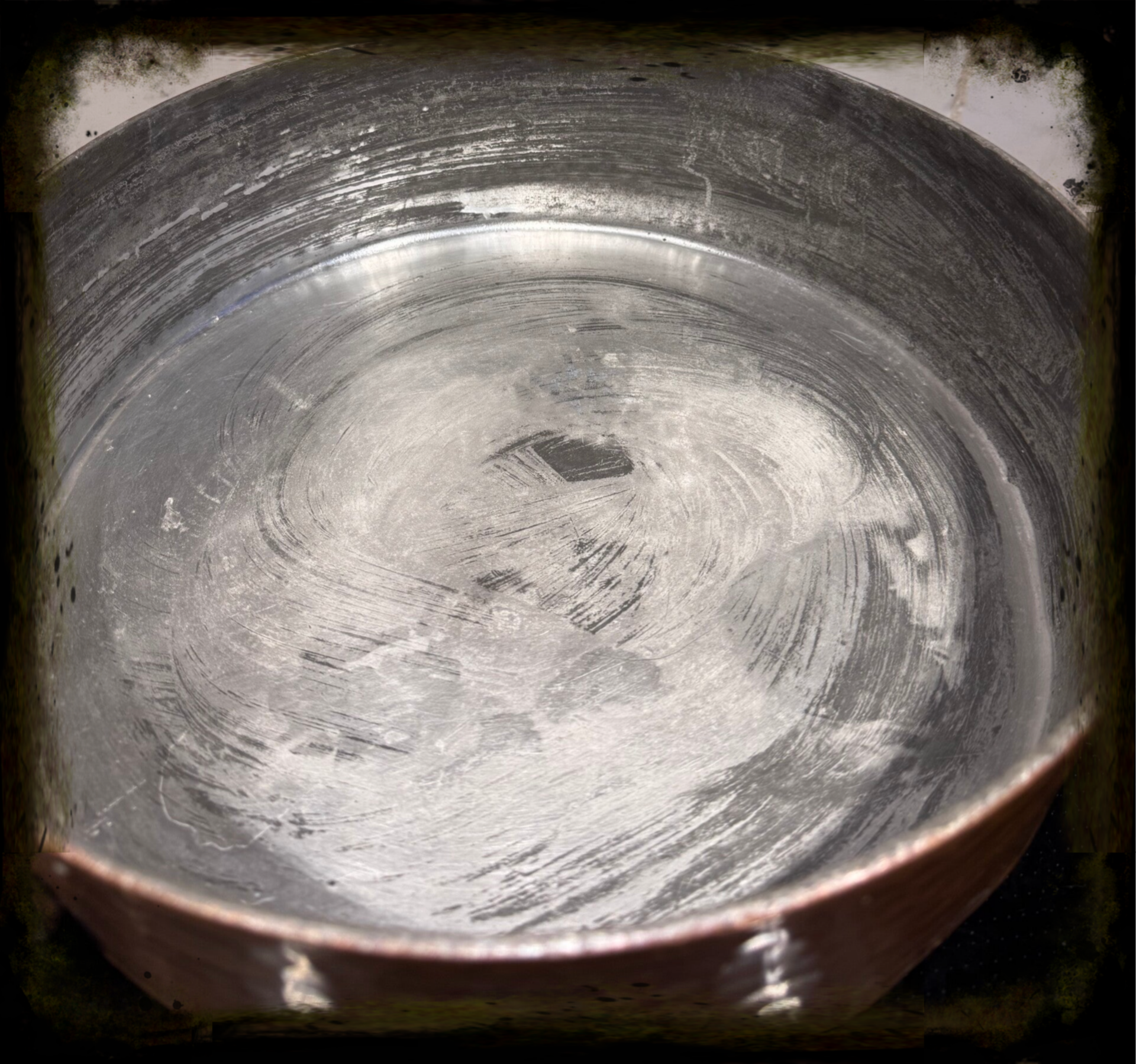
Over time, tin naturally oxidizes and changes color. This is a normal process and does not indicate that the lining is unsafe. Dark spots and streaks are common signs of use and age. If you prefer to restore the pan’s original shine, you can easily remove oxidation by boiling water with a few tablespoons of baking soda and crumpled aluminum foil. Simmer the mixture for a few minutes, then rinse the pan thoroughly. Repeat the process as necessary. However, avoid scrubbing the lining in an attempt to make it "shiny"—this will only scratch and wear down the tin, ultimately shortening its lifespan.
Avoid metal utensils:
One of the most important rules when using tin-lined copper cookware is to avoid metal utensils. Metal utensils can easily scratch the delicate tin surface, damaging the lining and reducing its effectiveness. Just as with contemporary non-stick cookware, using wooden or silicone utensils is the best practice. This simple step will help ensure the longevity of your pan.
Cook with control:
Never preheat a tin-lined copper pan on high heat, as excessive temperatures can damage the tin lining. Tin has a relatively low melting point, around 450°F (232°C), so it’s important to keep the heat at a moderate level. A good way to check the temperature of the pan is to use butter. If the butter starts to smoke, it’s time to lower the heat. Tin-lined copper pans are best used at low to medium temperatures, and cooking at these levels actually enhances the Maillard reaction (browning), resulting in better flavor and texture. It’s a common misconception that the temperature of the burner directly correlates with the pan’s temperature; when food hits a hot pan, it releases moisture, cooling the surface considerably. As long as your food isn’t burning, you’re cooking safely.
Start low and slow:
For those new to tin-lined copper, it’s a good idea to start on a small burner at a low heat setting. Copper heats up quickly, and once you become accustomed to how fast it responds, you’ll find it easier to avoid overheating.
The exterior:
The exterior of your copper pan will naturally oxidize and change color over time due to heat exposure. This is one of the reasons copper cookware is so highly regarded for its aesthetic appeal. If you prefer to maintain a shiny, bright exterior, clean the outside with a mixture of lemon juice and the abrasive side of a sponge. Just be sure never to use the abrasive side on the interior, as it can damage the tin lining.
When to re-tin:
One of the key benefits of tin-lined copper cookware is its durability. Unlike most modern cookware, tin-lined copper can be re-lined and re handled, allowing it to last for generations. Re-lining involves heating the pan to around 500°F (260°C), melting pure tin, and spreading it evenly over the cooking surface. Skilled tinsmiths will ensure the tin layer is as thick as possible for long-lasting performance. The best way to tell if you have a nice, thick lining is the presence of ‘wipe marks’ on the surface. You’ll know it’s time to re-line your pan when you notice exposed copper on the cooking surface about the size of a U.S. quarter (24.26mm). If you acquire vintage copper cookware, it’s wise to reline it even if there’s no visible damage, as old cookware can still be used safely with a new lining.
Overheating:
Accidentally overheating your tin-lined copper pan is common, especially for new users (it have happend to me also). If this happens, don’t worry small beads of tin or lighter streaks in the pan are normal signs of overheating. While this will change the appearance of the pan, it doesn’t significantly affect performance. These beads are non-toxic and will not impact the taste of your food, but they do indicate that the pan has been overheated and may need re-lining in the future.
For a brand-new or freshly re-tinned pans:
water once or twice with a splash of vinegar or lemon juice, rinse well, dry, then cook normally.
This helps remove any residual tin taste.