Hôtel d’Angleterre - Ostend Belgium
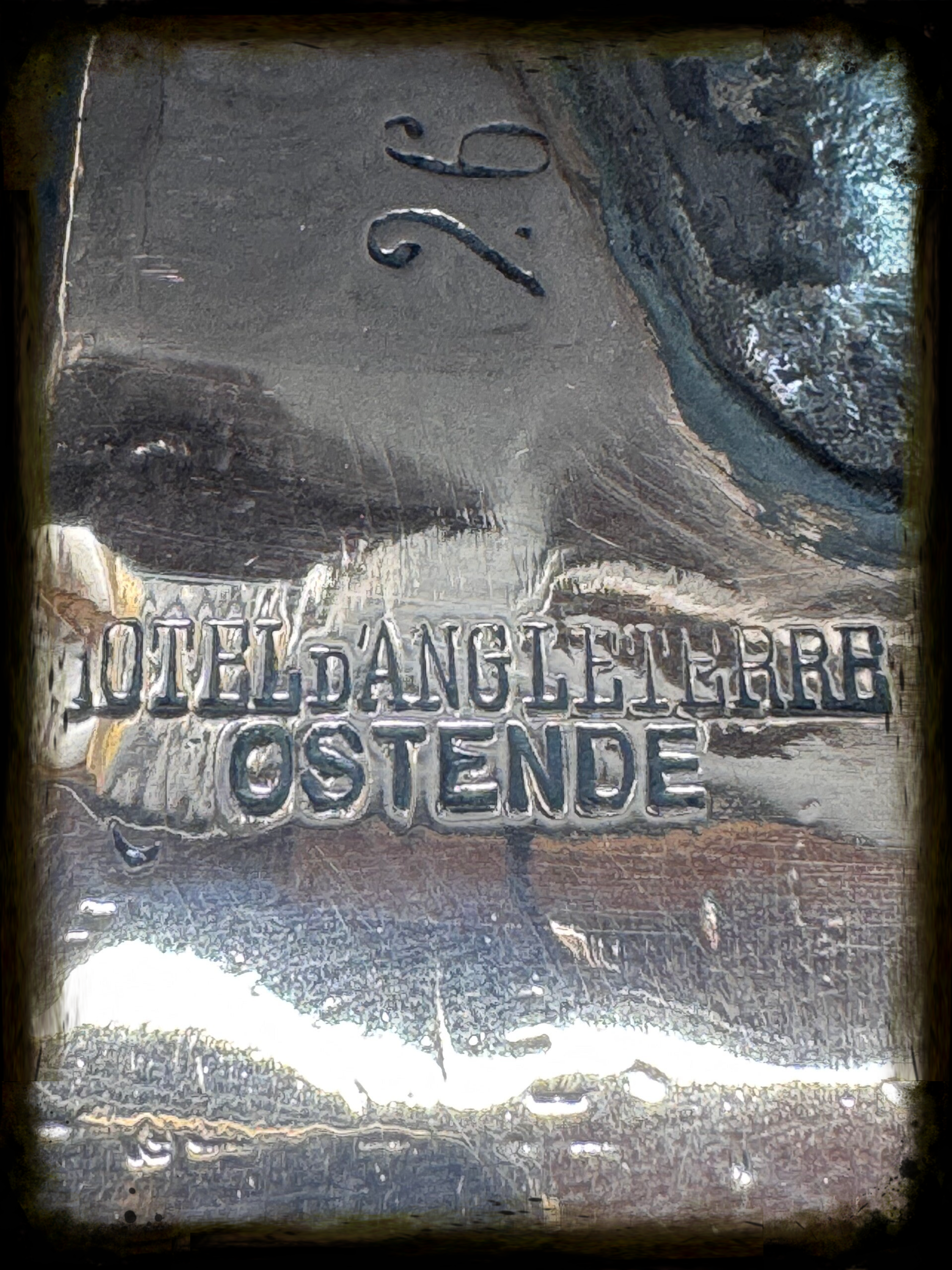
H2: Hotel d'Angleterre, Ostende - Albert I Promenade 44, 8400 Oostende, Belgium
The historic Hôtel d’Angleterre was located at Albert I Promenade 44 in Ostend, directly on the iconic seafront promenade. This former hotel is no longer in operation as a hospitality establishment today.
The Belle Époque in Ostend refers to the city’s golden era as a fashionable seaside resort, roughly from around 1880 until the outbreak of the First World War in 1914
Ostend during the Belle Époque
During the Belle Époque, Ostend developed into the “Queen of Seaside Resorts” of Belgium. The city became a major destination for European aristocracy, artists, and the upper bourgeoisie.
Key characteristics of this era include:
Luxury coastal hotels along the Albert I Promenade and seafront, such as the Hôtel d'Angleterre, Royal Palace Hotel, Hôtel de la Plage and Continental Hotel
Royal patronage, most notably from King Leopold II, who heavily invested in the beautification of the city
The construction of casinos, bathing pavilions, and expansive promenades, with the Albert I Promenade itself built around 1900
A rich architectural style featuring Art Nouveau and eclectic façades
Ostend as a cultural hub for artists, writers, and international visitors
Note: The Royal Palace Hotel was heavily damaged during the First World War and demolished after the armistice to make way for apartment buildings, marking the end of the grand hotel era on the seafront.
The End of the Belle Époque
The Belle Époque came to an abrupt end with the outbreak of the First World War in 1914, during which Ostend was significantly affected by military occupation and subsequent damage.
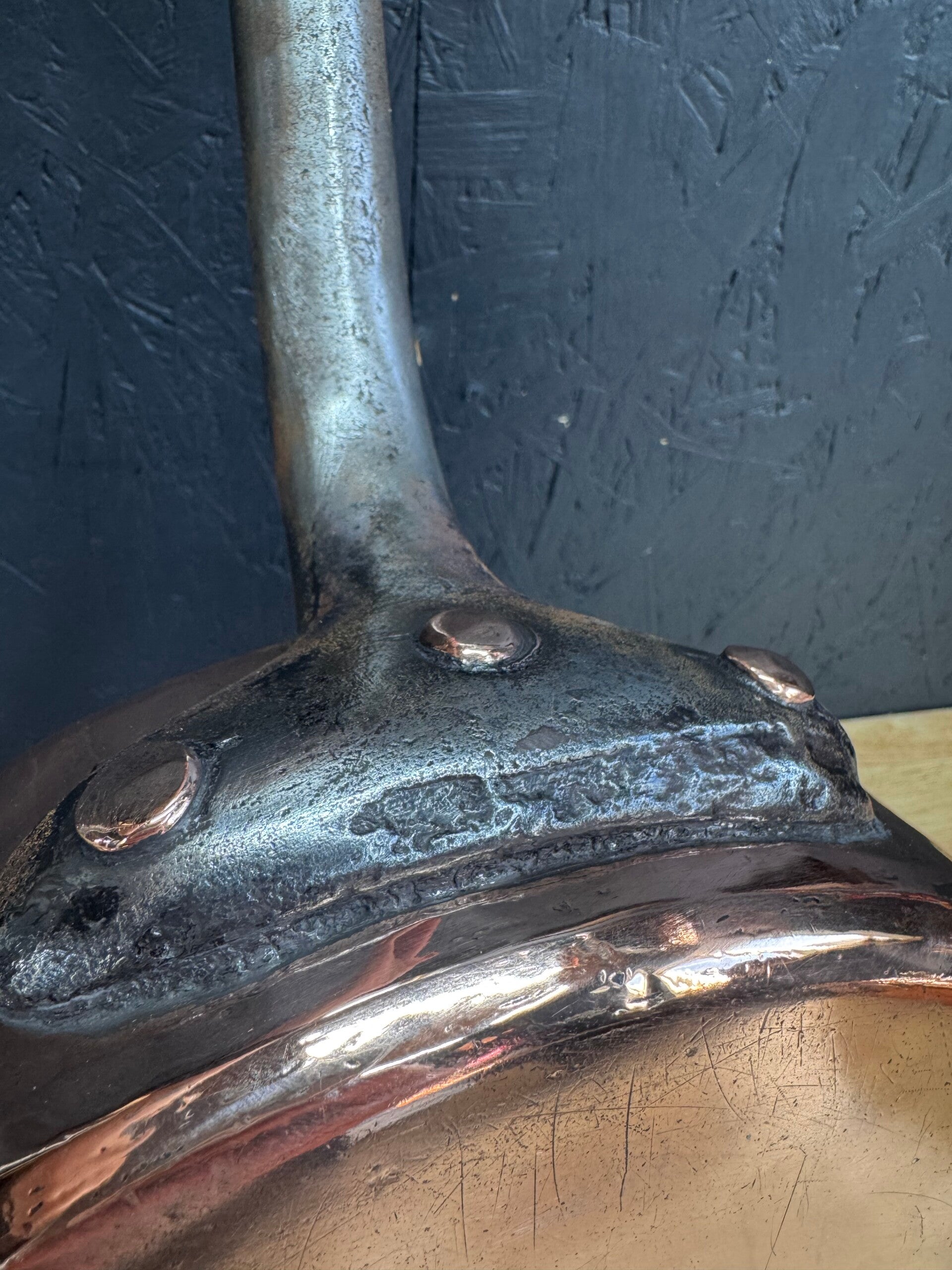
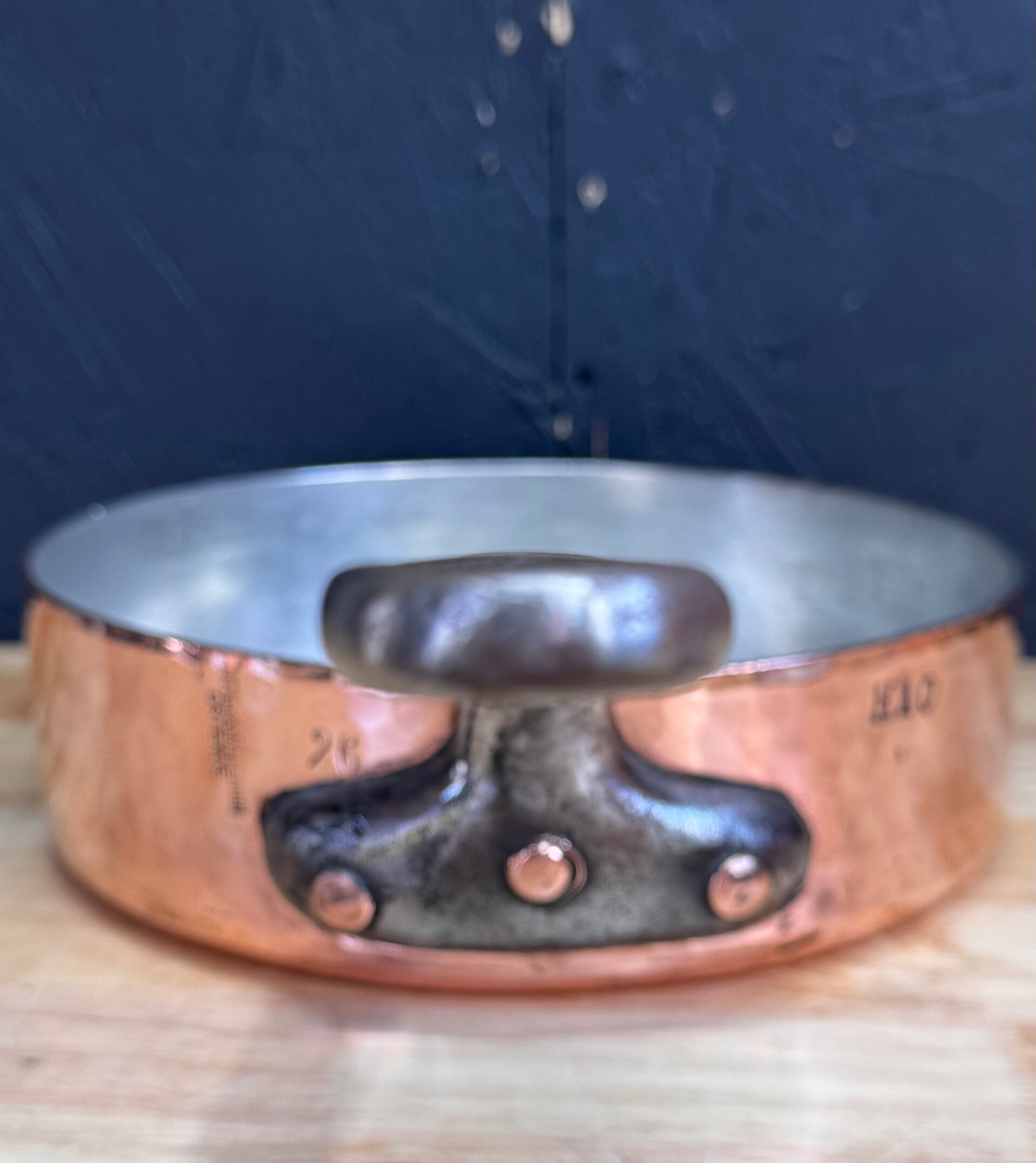
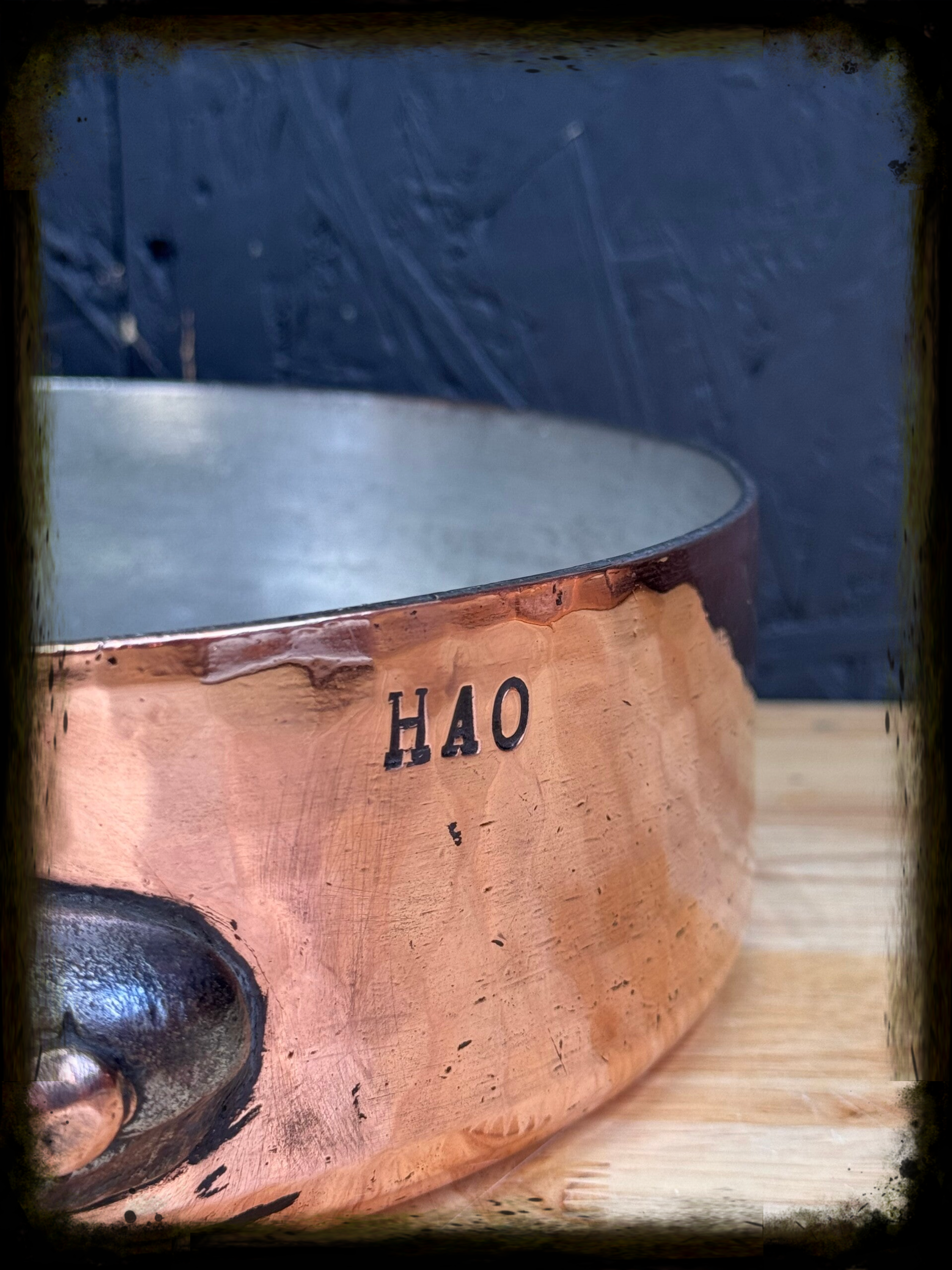
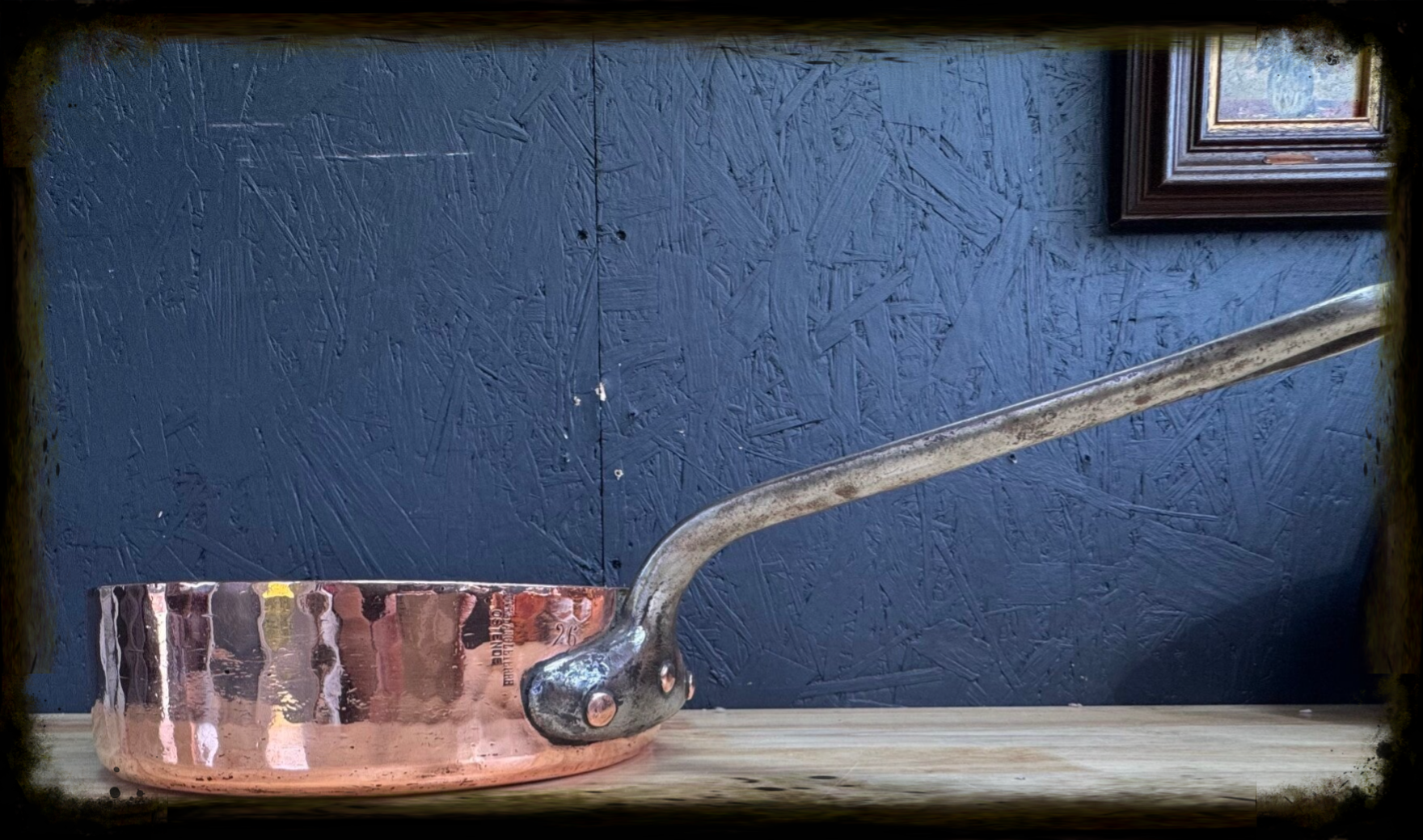
The Copper - 26 cm Heavy Sauté Pan with HAO Stamp
This 26 cm heavy sauté pan originates from this establishment and bears the user initials “HAO.” Unfortunately, no further historical documentation or archival records could be found regarding the original maker of this particular sauté pan. The absence of a maker’s stamp makes a definitive attribution impossible.
That said, the quality of construction, weight, and craftsmanship strongly suggest that it was produced by a highly skilled professional coppersmith. Based on its characteristics, it could plausibly have originated from one of the renowned French workshops such as Gaillard, whose heavy gauge copper cookware is widely regarded as among the finest ever produced in France. Alternatively, it may have been made by the exceptional Belgian craftsmen of H. Pommier, a Brussels based workshop celebrated for producing copper cookware of a quality equal to the best French makers. Contemporary examples from Pommier are known for their substantial copper thickness, meticulous hammer work, and professional grade construction.
While the exact maker remains unknown, the pan clearly reflects the standards of the great European copper workshops of the late nineteenth and early twentieth centuries, where functionality, durability, and craftsmanship took precedence over branding. Its robust construction and professional proportions suggest it was intended for serious culinary use and built to withstand generations of service.

A view of the Albert I Promenade, extending from Louisastraat on the left towards Christinastraat on the right. Dominating the centre of the scene are the elegant Grand Hotel Miramar and the Hotel d’Angleterre, emblematic landmarks of Ostend’s Belle Époque seaside architecture and its era of refined coastal tourism.