

The Legacy of Copper Cookware
For centuries, copper cookware was considered the gold standard in professional kitchens like hotels, restaurants and castles long before modern materials became widely available, chefs relied on copper for its exceptional cooking performance and durability.
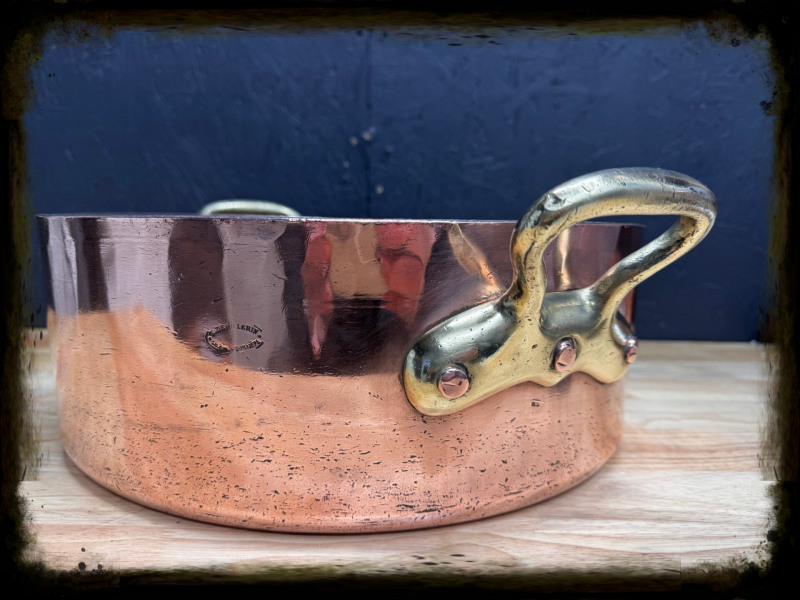
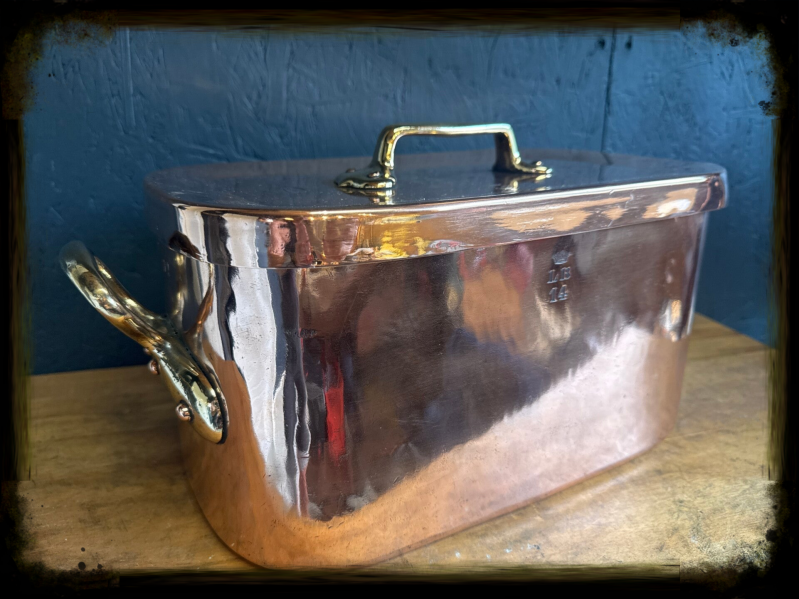
Many French copper pans found today were originally used in restaurants, hotels, and private estates. Built from thick sheets of copper and designed for daily and proffesional use, these pieces have already stood the test of time for more than a century.
Unlike mass produced cookware, many copper pieces were traditionally handcrafted by skilled artisans, Renowned workshops and manufacturers such as Mauviel, Gaillard, Jacquotot, Dehillerin and Duparquet built their reputations on generations of craftsmanship and attention to detail. Many pieces also originated from historic copperworking centers such as Villedieu-les-Poêles, where artisans refined techniques that helped establish copper cookware as the benchmark for professional kitchens.
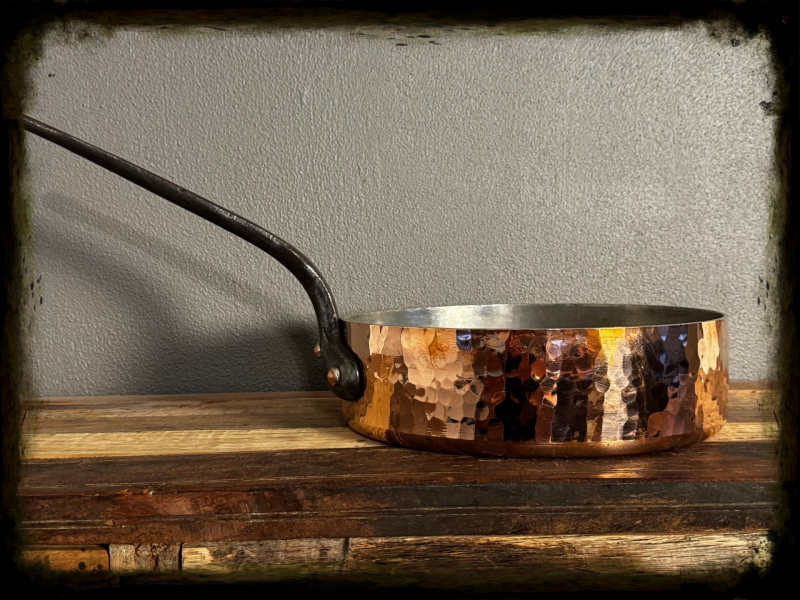
While much of today's cookware is manufactured on a large industrial scale, the tradition of handcrafted copper cookware has not disappeared. A small number of workshops and skilled artisans continue to produce copper cookware using many of the same techniques that have been passed down through generations. Although modern tools may assist certain stages of production, the emphasis on craftsmanship, quality materials, and meticulous finishing remains largely unchanged.
This enduring tradition is one of the reasons copper cookware continues to be admired by chefs, collectors, and enthusiasts alike. Whether antique or newly made, handcrafted copper represents a commitment to quality, durability, and artistry that transcends trends and generations.
When investing in cookware, many people find themselves choosing between modern convenience and traditional craftsmanship. Stainless steel, aluminum, cast iron, and non-stick cookware dominate today's market, while copper cookware remains the preferred choice of many professional chefs and collectors.
So what makes copper cookware so special, and how does it compare to modern alternatives?
To answer that question, let's begin by looking at modern cookware. Understanding the strengths and limitations of today's most common cookware materials provides a useful foundation for appreciating why copper has maintained its reputation for centuries. From stainless steel and aluminum to cast iron and non stick surfaces, each material offers unique advantages that suit different cooking styles, budgets, and lifestyles. Only by understanding what modern cookware brings to the kitchen can we fully appreciate what makes copper cookware stand apart.


Modern Cookware: Practical, Versatile, and Constantly Evolving
Modern cookware has come a long way over the past century. Designed to meet the needs of busy households, professional kitchens, and a wide range of cooking styles, today's cookware offers an impressive variety of materials, technologies, and price points.
Materials such as stainless steel, aluminum, cast iron, carbon steel, ceramic-coated cookware, and non-stick pans each bring their own strengths to the kitchen. Rather than focusing solely on performance, many modern cookware manufacturers aim to balance durability, convenience, ease of maintenance, and affordability.
Some of the advantages modern cookware offers include:
-
Dishwasher-safe cleaning on many products
-
Lower maintenance requirements
-
Induction compatibility
-
Lightweight designs
-
Affordable pricing across all budgets
-
Wide availability worldwide
-
Specialized cookware for specific cooking techniques
-
Modern ergonomic handles and features
-
Consistent manufacturing standards
For many households, these qualities make modern cookware an excellent and practical choice. A stainless steel saucepan can handle daily use with minimal maintenance, while a non-stick skillet can simplify cooking delicate foods such as eggs and fish. Cast iron and carbon steel have also experienced a resurgence in popularity, offering excellent heat retention and durability.
One of the greatest advantages of modern cookware is the sheer variety available. Home cooks can choose from countless options depending on their needs, whether that means a lightweight aluminum pan for quick weekday meals, a durable stainless steel set for everyday cooking, or a high-performance non-stick pan for convenience.
Modern cookware also reflects the changing realities of contemporary life. Many people have less time to dedicate to maintenance and cleaning than previous generations. Products designed to be dishwasher safe, induction compatible, and easy to store fit naturally into today's kitchens and lifestyles.
That said, convenience often involves compromises. Many modern cookware products are designed for efficiency in manufacturing and affordability rather than longevity. While there are certainly exceptional modern pieces available, some cookware is intended to be replaced after years or even months of use. Non-stick coatings can wear down, lightweight materials may warp, and trends in cookware technology frequently change.
This does not mean modern cookware is inferior. Rather, it serves a different purpose. Modern cookware prioritizes practicality, accessibility, and ease of use, making quality cooking available to a broader audience than ever before.
Copper Cookware: Timeless, Functional, and Built to Last
Copper cookware has earned its reputation over centuries of culinary tradition. Long before modern manufacturing techniques and synthetic coatings existed, professional chefs and skilled artisans relied on copper for its exceptional cooking performance and durability. Today, copper cookware continues to be admired not only for its beauty but also for the unique cooking experience it offers.
Unlike many modern materials, copper is valued primarily for its performance. Its remarkable thermal conductivity allows heat to spread quickly and evenly across the cooking surface, giving cooks an unparalleled level of control. Whether preparing delicate sauces, caramel, reductions, or temperature-sensitive dishes, copper responds almost instantly to changes in heat.
Some of the advantages copper cookware offers include:
-
Exceptional heat conductivity
-
Precise temperature control
-
Rapid response to heat adjustments
-
Even heat distribution
-
Professional level cooking performance
-
Long service life when properly maintained - Re-tinning
-
Repairable and restorable construction
-
Timeless aesthetic appeal
-
Historical and collectible value
-
Sustainable longevity across generations
For many chefs, these qualities make copper cookware one of the finest cooking materials ever developed. A well made copper pan allows for precise control when preparing delicate recipes, while a heavy copper sauté pan provides consistent performance that is difficult to achieve with many other materials.
One of the greatest advantages of copper cookware is that it was designed to be maintained rather than replaced. Traditional copper pans can be re-tinned, restored, polished, and repaired, allowing them to remain functional for decades or even centuries. It is not uncommon to find copper cookware from the early 1900s that is still actively used in kitchens today.
Of course, copper cookware requires more attention than many modern alternatives. It is not typically dishwasher safe, may require occasional polishing, and traditional tin lined pieces will eventually need re-tinning after years of use. However, many enthusiasts see this maintenance not as a drawback but as part of owning a piece of functional craftsmanship.
In a world increasingly dominated by disposable products, copper cookware represents a commitment to longevity. Rather than being designed for replacement, it is designed for preservation. A quality copper pan can serve multiple generations, reducing waste while preserving both craftsmanship and history.
This does not mean copper cookware is the perfect choice for everyone. Rather, it serves a different purpose. Copper cookware prioritizes performance, craftsmanship, durability, and connection to culinary heritage. For those who appreciate these qualities, copper offers an experience that extends far beyond cooking itself.
Craftsmanship Then and Now
One of the most noticeable differences between antique and modern cookware is how it is made.
Copper cookware was often produced in small workshops where craftsmanship took priority over speed. Thick copper bodies, hand riveted handles, and individually finished surfaces were common features. Many pieces also carry original maker's marks, workshop stamps, or retailer engravings, providing a direct connection to their history and the artisans who created them.
Modern cookware, by contrast, is typically manufactured on a much larger scale. While highly functional and consistent in quality, it rarely possesses the same level of individuality or artisanal character found in antique copper.
However, it would be unfair to suggest that innovation in copper cookware ended a century ago. While antique copper remains highly sought after, manufacturers continue to develop new ways of combining copper's exceptional cooking performance with the demands of modern kitchens.
One of the developments has been the introduction nickle and stainless steel linings. Traditionally, copper cookware was lined with tin, a material prized for its cooking properties but one that eventually requires re-tinning after years of use. Stainless steel and nickle linings offer a durable, low maintenance alternative while still allowing cooks to benefit from copper's outstanding heat conductivity.
Manufacturers have also invested heavily in induction compatible copper cookware. French and also Belgium companies as Demeyere , Mauviel and Falk Culinair have incorporated copper cores into advanced multi layer constructions, that combine traditional craftsmanship with contemporary cooking technology.
These innovations demonstrate that copper cookware continues to evolve. Whether in the form of a hand crafted antique pan from the early 1900s or a modern induction compatible copper piece, the fundamental appeal remains the same: superior heat control, exceptional durability, and a commitment to quality craftsmanship.
Durability and Longevity
A quality copper pan from the early 1900s can still be fully functional today. At a time when many products are designed with a limited lifespan, copper cookware represents a different philosophyone of longevity, repairability, and enduring value.
In a world increasingly filled with disposable products and constant consumption, choosing copper cookware is also a conscious choice for sustainability. By giving a historic piece a new life in the kitchen, you are preserving craftsmanship that has already stood the test of time for more than a century while reducing the need for replacement and waste.
For me Copper cookware is more than a cooking tool it is a lifestyle. A celebration of craftsmanship, sustainability, and culinary heritage, where every piece carries a story and is built to last for generations.
Perhaps that is the greatest difference. Copper cookware offers something that modern cookware often cannot: character.
Every scratch, hammer mark, engraved initial, repair, and layer of patina tells a story. These signs of age are not flaws; they are evidence of a life spent in kitchens where meals were prepared, traditions were passed down, and craftsmanship mattered. Each piece carries a unique history that no newly manufactured product can replicate.
Collectors and chefs alike seek out antique copper not only for its remarkable cooking performance but also for its historical significance, enduring beauty, and connection to generations of culinary tradition.




Add comment
Comments